

促進產業升級-非標自動化設備未來發展潛力巨大!
發布時間:
2023-08-16 16:26
非標自動化生產線毋庸置疑已經貫穿到工廠設計、生產、管理、服務等各個制造環節。不僅提高了生產效率,還顛覆傳統勞動的模式,降低用人成本。在非標自動化生產線過程中,對勞動者有了更高的要求:專業性、能動性、靈活性、協作性等。
The non-standard automated production line undoubtedly runs through various manufacturing processes such as factory design, production, management, and service. Not only does it improve production efficiency, but it also subverts traditional labor models and reduces labor costs. In the process of non-standard automated production lines, there are higher requirements for workers: professionalism, initiative, flexibility, collaboration, etc.
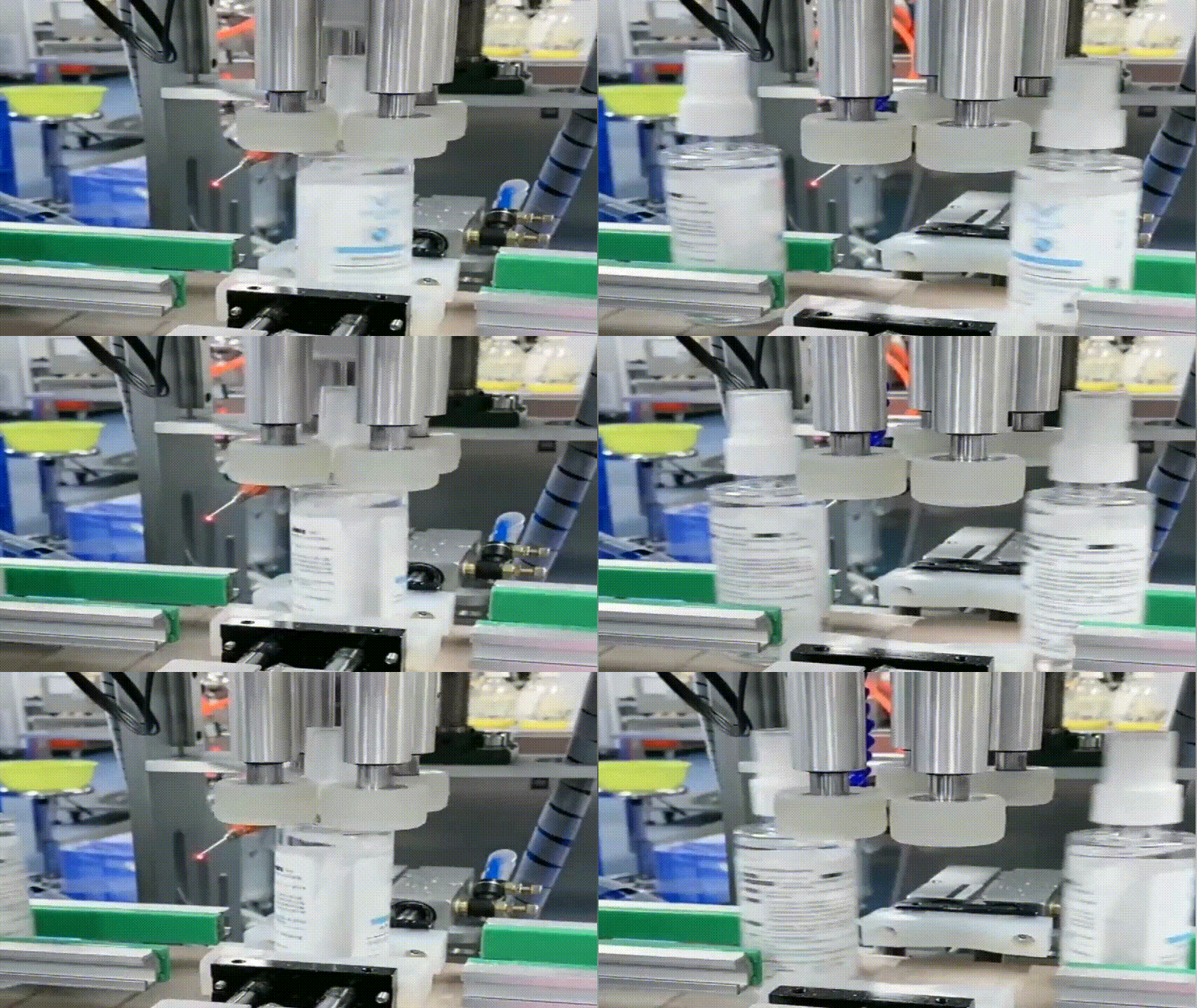
第一、專業性。自動化設備可替代部分勞動力,但智能化生產線和大數據系統的指揮、操作和運維需要更具專業能力的勞動者彌補機器的不足。勞動者需要能夠將所學的知識和技能應用于構建真實的工業系統,以應對自動化系統故障。
Firstly, professionalism. Automated equipment can replace some labor, but the command, operation, and maintenance of intelligent production lines and big data systems require more professional workers to make up for the shortcomings of machines. Workers need to be able to apply the knowledge and skills they have learned to build real-world industrial systems in response to automation system failures.
第二、能動性。智能工廠中工作內容的變化要求員工兼具多種工作技能。
Secondly, initiative. The changes in job responsibilities in smart factories require employees to possess multiple job skills.
第三、靈活性。制造工廠將能夠迅速根據市場需求調整其生產適應能力,減輕人力的生理和心理壓力;新形式的協作工廠讓虛擬工作和移動工作成為現實;多模式、用戶友好界面的智能輔助系統將協助員工的工作,幫助勞動者實現更靈活的就業方式。
Thirdly, flexibility. Manufacturing factories will be able to quickly adjust their production adaptability according to market demand, reducing the physiological and psychological pressure of manpower; The new form of collaborative factories has made virtual and mobile work a reality; A multimodal and user-friendly intelligent assistance system will assist employees in their work and help them achieve more flexible employment methods.
第四、協作性。一方面是“人人協作”,不同職業之間的分工運行模式將逐漸被合作模式所取代。智能制造將制造的各個環節的聯系變得加緊密,不同的職業分工將需要更多的溝通與合作。另一方面是“人機協作”,在智能工廠里,人、機器和資源如同在一個社交網絡里一般溝通協作,相互配合,重塑傳統制造工廠模式下人與生產設備之間操控與被動反應的機械關系。
Fourthly, collaboration. On the one hand, it is "everyone collaboration", and the division of labor operation mode between different professions will gradually be replaced by the cooperation mode. Intelligent manufacturing will make the connections between various aspects of manufacturing closer, and different occupational divisions will require more communication and cooperation. On the other hand, it is "human-machine collaboration". In smart factories, people, machines, and resources communicate and collaborate like in a social network, working together to reshape the mechanical relationship between control and passive response between people and production equipment in traditional manufacturing factory models.
隨著智能制造的大規模應用,將增大對數據分析、工業軟件開發、系統集成、用戶互動設計、設備調試運維等智能制造裝備及服務領域的用人需求。另一方面是創業增加就業崗位。生產過程的“少人化”、低成本,以及3D打印分布式的生產制造方式,為創業及中小微企業發展帶來前所未有的機遇,帶來更多就業機會。
With the large-scale application of intelligent manufacturing, there will be an increasing demand for personnel in the fields of intelligent manufacturing equipment and services such as data analysis, industrial software development, system integration, user interaction design, equipment debugging and operation maintenance. On the other hand, entrepreneurship increases employment opportunities. The "humanization" and low cost of the production process, as well as the distributed production and manufacturing method of 3D printing, have brought unprecedented opportunities for entrepreneurship and the development of small and medium-sized enterprises, bringing more employment opportunities.
智能制造能夠實現制造的高效率和精準化,但多用于處理簡單、機械重復的操作,而那些思考復雜度高、創造力強、靈活性高的服務工作,仍然需要人力勝任,是未來勞動者就業的重要方向。
Intelligent manufacturing can achieve high efficiency and precision in manufacturing, but it is often used to handle simple and mechanically repetitive operations. However, service work with high complexity, creativity, and flexibility still requires human competence, which is an important direction for future employment of workers.
隨著各種新興產業的發展與崛起,工業自動化控制系統裝置制造業將直接受益,非標自動化生產線擁有高效率、節能降耗、節省人力成本、促進產業升級的明顯效果,未來發展潛力巨大。
With the development and rise of various emerging industries, the manufacturing industry of industrial automation control system devices will directly benefit. Non standard automation production lines have obvious effects of high efficiency, energy conservation, consumption reduction, labor cost savings, and promoting industrial upgrading, with huge potential for future development.
非標自動化生產線