

AGV機器人將徹底顛覆傳統的物料搬運和物流領域的工作模式
發布時間:
2023-02-10 11:28
最新研究預測:到2027年,物料搬運和物流領域的移動機器人市場將達到750億美元。從在設施中運送物料的智能自主移動機器人(AMR),將自身帶到包裝工和托運人的倉庫貨架,到機場行李AGC(自動導引車)的群發,到2019年,物料搬運將比以往任何時候都發生更多變化。
The latest research predicts: by 2027, the mobile robot market in material handling and logistics will reach US $75 billion. From the intelligent autonomous mobile robot (AMR), which transports materials in facilities, takes itself to the warehouse shelves of packers and shippers, to the mass delivery of airport baggage AGC (automatic guided vehicle), material handling will change more than ever before by 2019.
倉庫AGV
機器人已經遠遠超出了用作靜態機械化碼垛機的范圍。現在,送貨卡車可以到達裝卸碼頭,插入AGV系統,并由機器人完全卸下其托盤。
Robots have gone far beyond being used as static mechanized palletizers. The delivery truck can now reach the loading dock, insert the AGV system, and the robot will completely unload its pallet.
然后,可以通過自動叉車將貨盤準確地運輸到其存放目的地,未分配任務時,AGV可以將自己移至充電站,并準備下一批貨到達。
The pallet can then be accurately transported to its storage destination by an automatic forklift, and when no task is assigned, the AGV can move itself to the charging station and prepare for the arrival of the next batch.
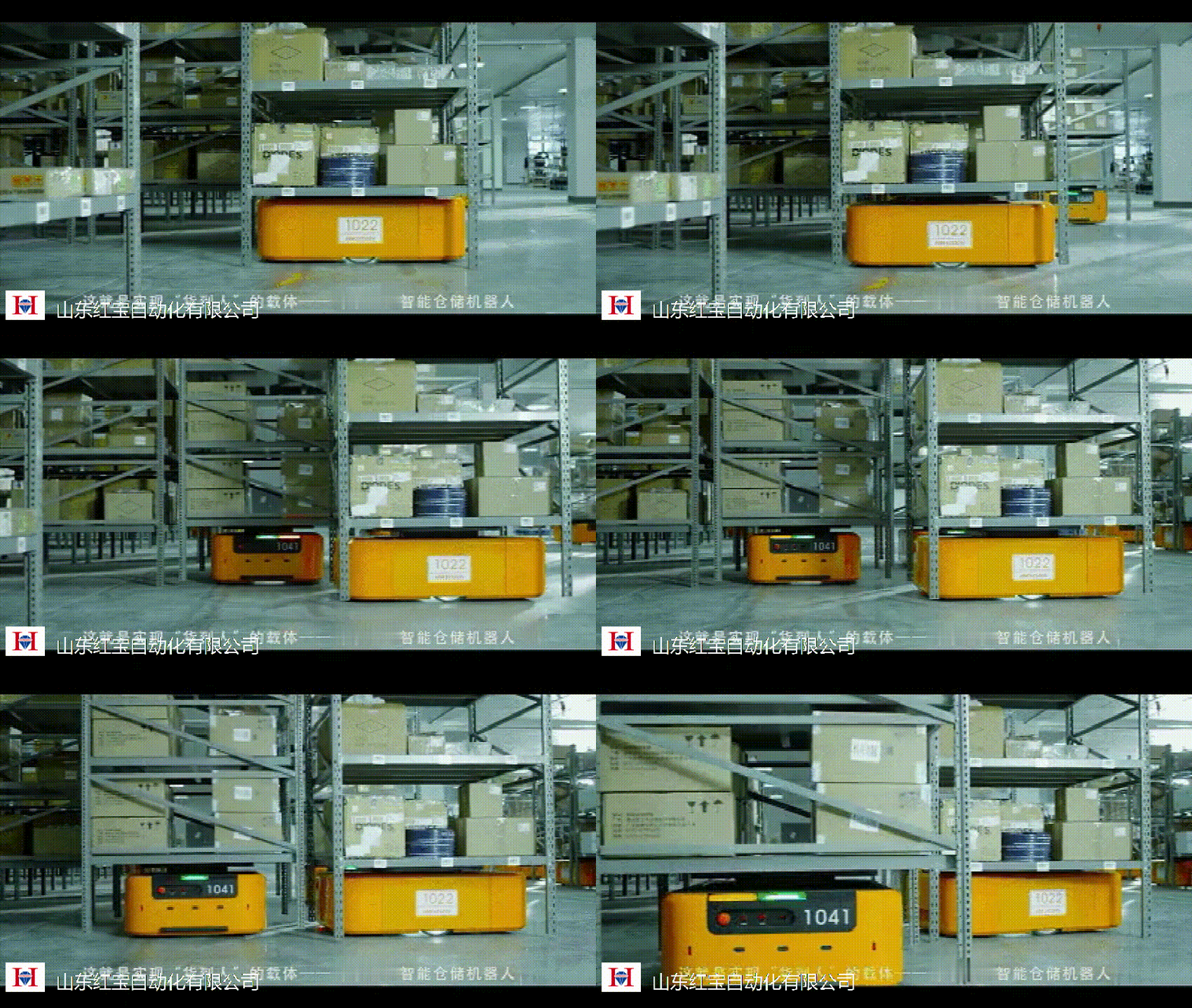
通過使用移動機器人工人,企業可以降低人工成本,減少對貨物的損害并降低與工作有關的傷害的風險。除了節省人工成本外,使用自動叉車系統還有許多物流優勢。
By using mobile robot workers, enterprises can reduce labor costs, reduce damage to goods and reduce the risk of job-related injuries. In addition to saving labor costs, there are many logistics advantages to using an automated forklift system.
一方面,機器人需要的行空間比人少,這在倉庫中創建了更多可用的存儲空間。 此外,機架本身可以配置得更深,因為自動穿梭系統可以將托盤從叉車深處移入機架系統。
On the one hand, robots need less row space than people, which creates more available storage space in the warehouse. In addition, the rack itself can be configured deeper because the automatic shuttle system can move pallets from the depths of the forklift into the rack system.
運送AMR
Transport AMR
機器人不僅改變了我們接收和存儲貨物的方式,使用智能導航的AMR現在也正在擾亂我們挑選,包裝和運輸這些貨物的方式。現在,計算機系統和機器人技術不僅模仿人類十年前的工作方式,而且現在還利用其獨特的能力來重新構想運輸過程本身。
Robots have not only changed the way we receive and store goods, but AMR, which uses intelligent navigation, is now disrupting the way we select, package and transport them. Now, computer systems and robotics not only mimic the way humans worked a decade ago, but are now using their unique capabilities to reinvent the transport process itself.
如今,整個產品貨架都移到了包裝工上,而不是工人花費大量的時間在過道上尋找要挑選的物品。這個不可思議的概念現在已在阿里巴巴的智能倉庫中使用,其中機器人完成了70%的工作。
Today, the entire product shelf is moved to the packers, rather than the workers who spend a lot of time in the aisles looking for items to pick. This incredible concept is now being used in Alibaba's smart warehouse, where robots do 70% of the work.
小型AMR從下方將貨架抬離地面幾英寸,然后沿著狹窄的通道穿梭于等待收拾訂單的人員。 AMR可以舉起多達500公斤的貨架,并通過WiFi從中央計算機接收指令。這種新的物料搬運自動化方法已使產量增加了300%,而對人工的需求卻減少了70%。
The small AMR lifts the shelves a few inches from below and then shuttles along the narrow aisles to people waiting to pick up their orders. AMR can lift up to 500 kg of shelves and receive commands from a central computer via WiFi. This new method of material handling automation has increased production by 300%, while the need for labor has been reduced by 70%.
物料搬運機器人的未來
The future of material handling robot
物料搬運行業非常適合機器人革命,并且可能比幾乎其他任何領域都經歷著更大的變革。許多使用機器人來提高其運營效率的公司都為采用更多創新方法來增加產量和提供卓越的客戶服務開辟了道路。與大多數工作場所中機器人技術的進步一樣,人與機器之間的技能將有新的分配,許多傳統職位將發生變化,新職位也將出現。
The material handling industry is well suited to the robotics revolution and is likely to be undergoing more change than almost any other field. Many companies that use robots to improve their operational efficiency have opened the way for more innovative ways to increase production and provide superior customer service. As with the advances in robotics in most workplaces, there will be a new distribution of skills between people and machines, and many traditional jobs will change and new jobs will emerge.
裝卸,選擇,包裝和移動貨物的重復性任務似乎注定要由大型設施中的AGV或AMR接管。沒有機器人的小型公司可能會面臨更大的挑戰,因為他們試圖與不斷增加的競爭產品相匹配。
The repetitive tasks of handling, selecting, packaging and moving goods seem destined to be taken over by AGVs or AMRS in large facilities. Small companies without robots may face greater challenges as they try to match the growing number of competing products.
協作機器人(cobot)的使用也正在改變“物料搬運”工作場所。合作機器人不是替換工人,而是與現有員工合作,使他們的工作更輕松,更安全。無論哪種方式,未來都將青睞有經驗的人與機器人合作或管理機器人系統。這包括管理機器人創造的更高生產率所需的額外人員,將機器人技術引入現有環境的經驗豐富的人員以及受過培訓以維護這些有價值的新工具的人員。
The use of Cobot is also changing the "material handling" workplace. Instead of replacing workers, cooperative robots work with existing employees to make their work easier and safer. Either way, the future will favor experienced people to cooperate with robots or manage robot systems. This includes the additional personnel needed to manage the higher productivity created by robots, experienced people who bring robotics into the existing environment, and people trained to maintain these valuable new tools.
AGV,AMR,AUV和機器人可以幫助應對傳統的物料搬運挑戰,助理物流企業實現無人化的自動化智能工作。
AGV, AMR, AUV and robot can help to deal with the traditional material handling challenges, and assist logistics enterprises to realize unmanned automation and intelligent work.
機器人,agv